Philosophy
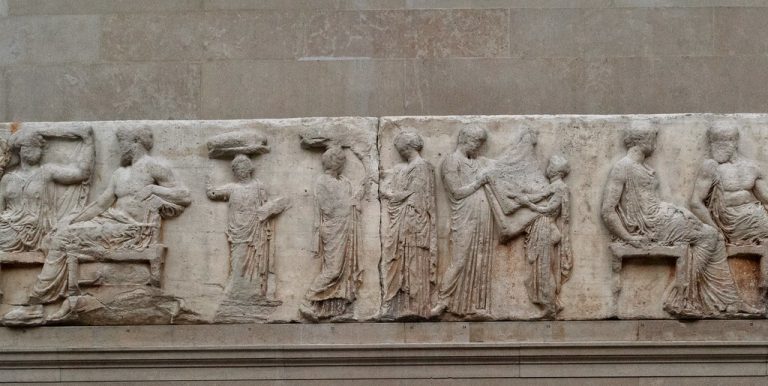
The etymological root of the term “Archon”
How strangely will the Tools of a Tyrant pervert the plain Meaning of Words! — Samuel Adams Archon (Greek: ἄρχων, romanized: árchōn) is the...
Read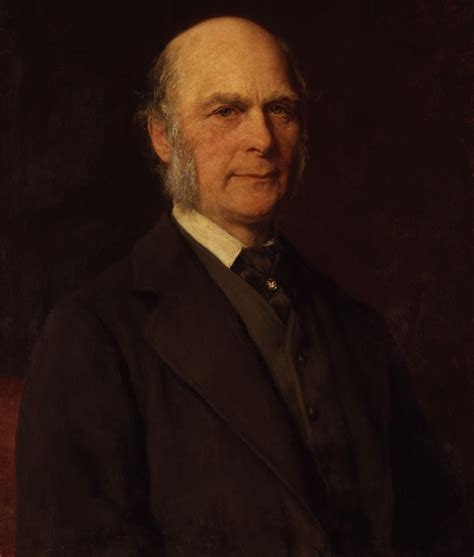
Sir Francis Galton (*1822;†1911): Hereditary Genius
Sir Francis Galton, was an English Victorian era statistician, polymath, sociologist, psychologist, anthropologist, eugenicist, tropical explorer, geographer, inventor, meteorologist, proto-geneticist, and psychometrician. He was...
Read
J. Edgar Hoover on “monstrous conspiracy and morality”
The individual comes face-to-face with a conspiracy so monstrous he cannot believe it exists. The American mind has not come to a realisation of...
Read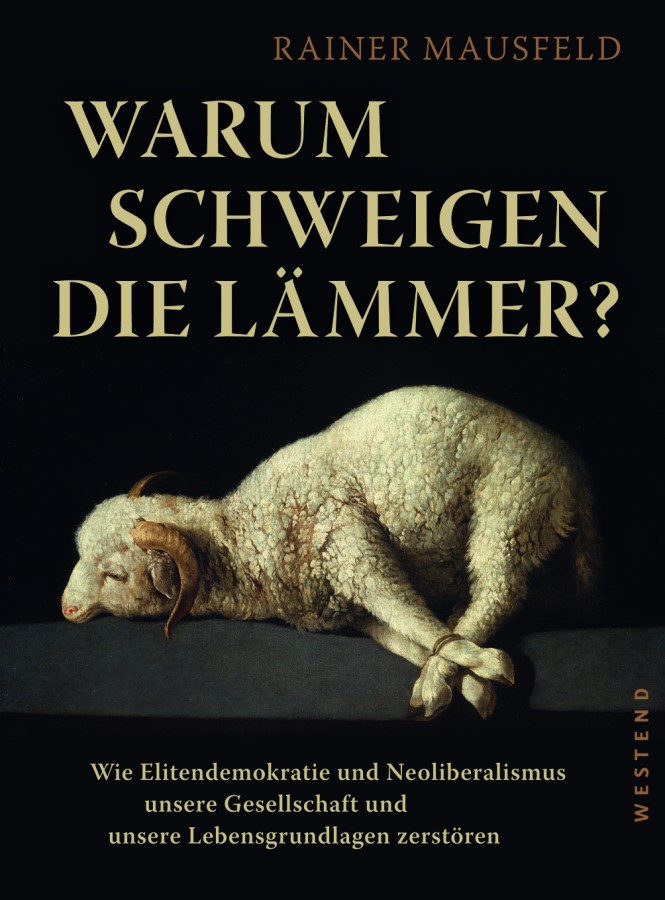
Prof. Rainer Mausfeld – Neoliberal indoctrination: Why do the lambs remain silent?
https://www.uni-kiel.de/psychologie/mausfeld/ Mausfeld focuses on perceptual psychology and also works on the theoretical foundations of experimental psychology and the psychology of understanding. He also deals...
Read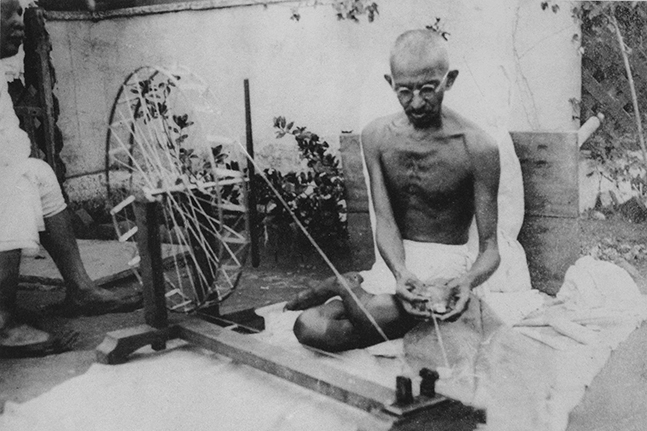
Satyāgraha
Satyāgraha (Sanskrit: सत्याग्रह) is a composite lexeme composed of the word satya (meaning “truth”) and agraha (“holding firmly to”). It also refers to a...
Read
On boiling frogs & bold men
The boiling frog is an analogy describing a frog being slowly boiled alive. The premise is that if a frog is thrown suddenly into...
Read
The Analects of Confucius
“Cultivated persons seek harmony but not sameness.” ~ Confucius (Analects 13. 23). Harmony (和) Confucian value of harmony: 子曰:“君子和而不同,小人同而不和。” See https://uwaterloo.ca/community-and-professional-education/blog/post/confucian-values-and-characters-series-harmony Waley, A.....
Read
The “Straw man fallacy”
A straw man is a common form of argument and is an informal fallacy based on giving the impression of refuting an opponent’s argument,...
Read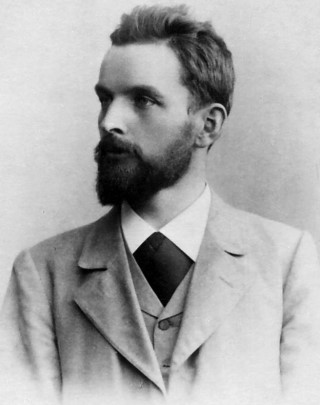
Silvio Gesell and the monetary system
Silvio Gesell (German: [ɡəˈzɛl]; 17 March 1862 – 11 March 1930) was a German merchant, theoretical economist, social activist, Georgist, anarchist, libertarian socialist,[1] and...
Read
Julius Cæsar’s “Panem et circenses”
“Bread and circuses” (or bread and games; from Latin: panem et circenses) is a figure of speech, specifically referring to a superficial means of...
Read